
Our Techniques
-
Applied Kinesiology (AK)
Applied Kinesiology (AK) is a postgraduate specialty training that some chiropractors undertake to assist in assessing the function of the body. AK uses specific muscle testing as part of the evaluation process to help identify areas of imbalance or stress within the musculoskeletal and nervous systems. Muscle response to different stimuli can provide additional insight into how the body is functioning at a given time.
Depending on the findings, chiropractors may use a range of evidence-informed approaches such as manual adjustments, mobilisations, soft tissue techniques, cranial and respiratory methods, lifestyle advice, or nutritional support.
AK is considered one of several tools that may assist chiropractors in developing a tailored approach to patient care.
-
Craniosacral
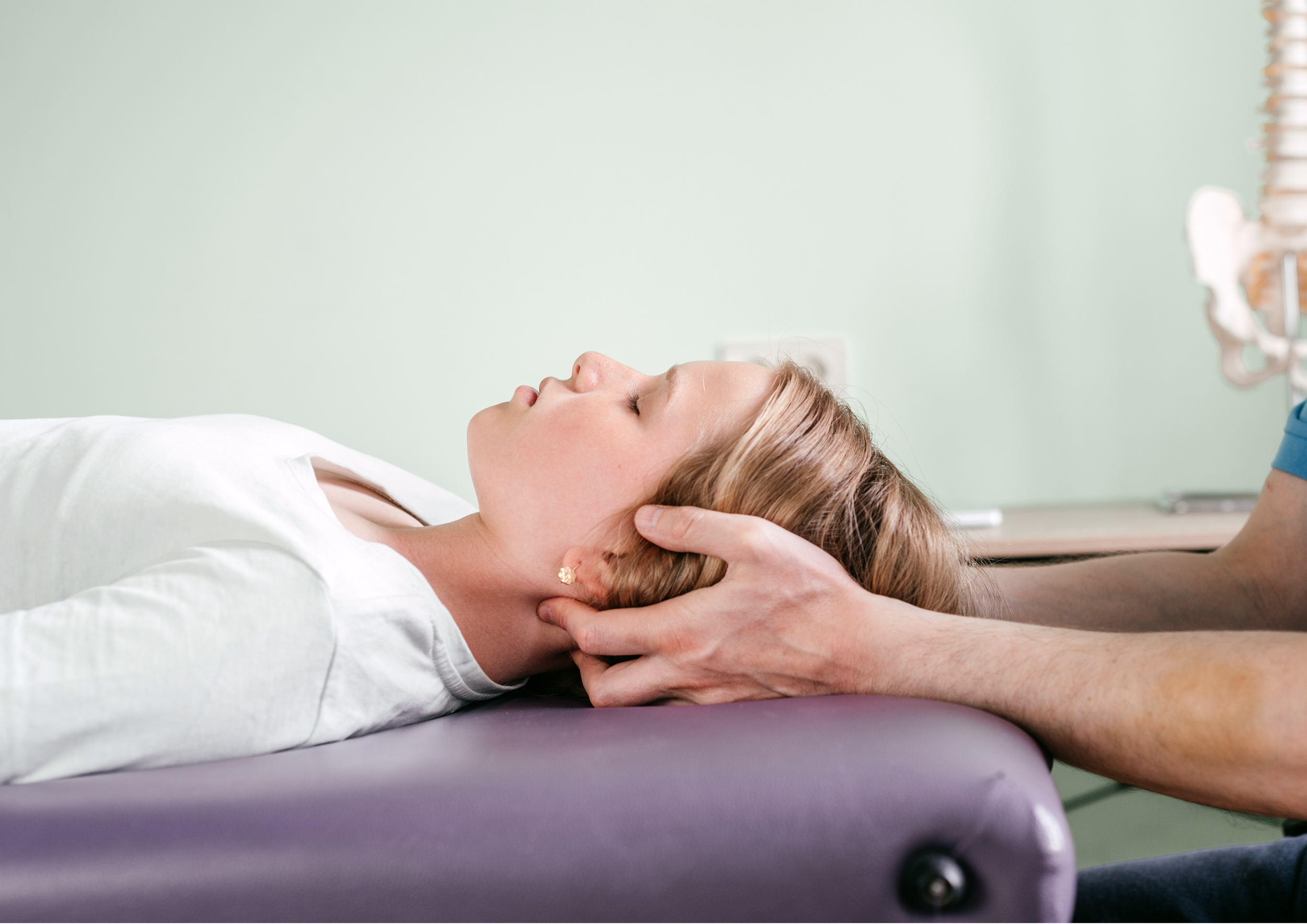
Craniopathy is a specialised, gentle chiropractic technique that focuses on improving the subtle movement of the skull and its influence on the nervous system. Using light fingertip pressure around the head, neck, and sometimes inside the mouth, it aims to support healthy cranial motion and the flow of cerebrospinal fluid with coordinated breathing, which supports the cirulation and rhythmic flow of the brain and spinal cord. This approach may assist with issues such as jaw pain, teeth grinding, chronic neck tension, or back discomfort, and is suitable for patients of all ages, including those who prefer very gentle care.
-

Neuro Emotional Technique (NET)
Neuro Emotional Technique (NET) is a gentle, non-invasive approach designed to help the body process and release unresolved stress responses that may be linked to ongoing physical or emotional concerns.
While experiencing emotions is a natural and healthy part of life, unresolved stress or trauma can sometimes contribute to patterns that affect overall wellbeing. NET uses a combination of assessment and gentle correction techniques to support the mind–body connection, with the goal of reducing the impact of stress on health.
People may seek NET for a variety of reasons, including chronic pain, muscle tension, stress-related behaviours, or fears. Treatment is conducted in a safe, supportive, and confidential environment to encourage balance and resilience.
-

Melillo Method
The Melillo Method is a therapeutic approach based on the principles of neuroplasticity—the brain’s capacity to adapt and reorganise in response to an experience and stimulation. Through carefully structured and targeted interventions, this method is designed to encourage the development of new and strengthened neural connections. The goal is to support more balanced brain function and promote adaptive changes that can enhance overall neurological and cognitive health.
The treatment is performed through sensory, auditory, visual, proprioceptive input and stimulation to increase circulation of the blood flow to enhance neurological deficits.
-
Retained Neonatal Reflexes (RNR)
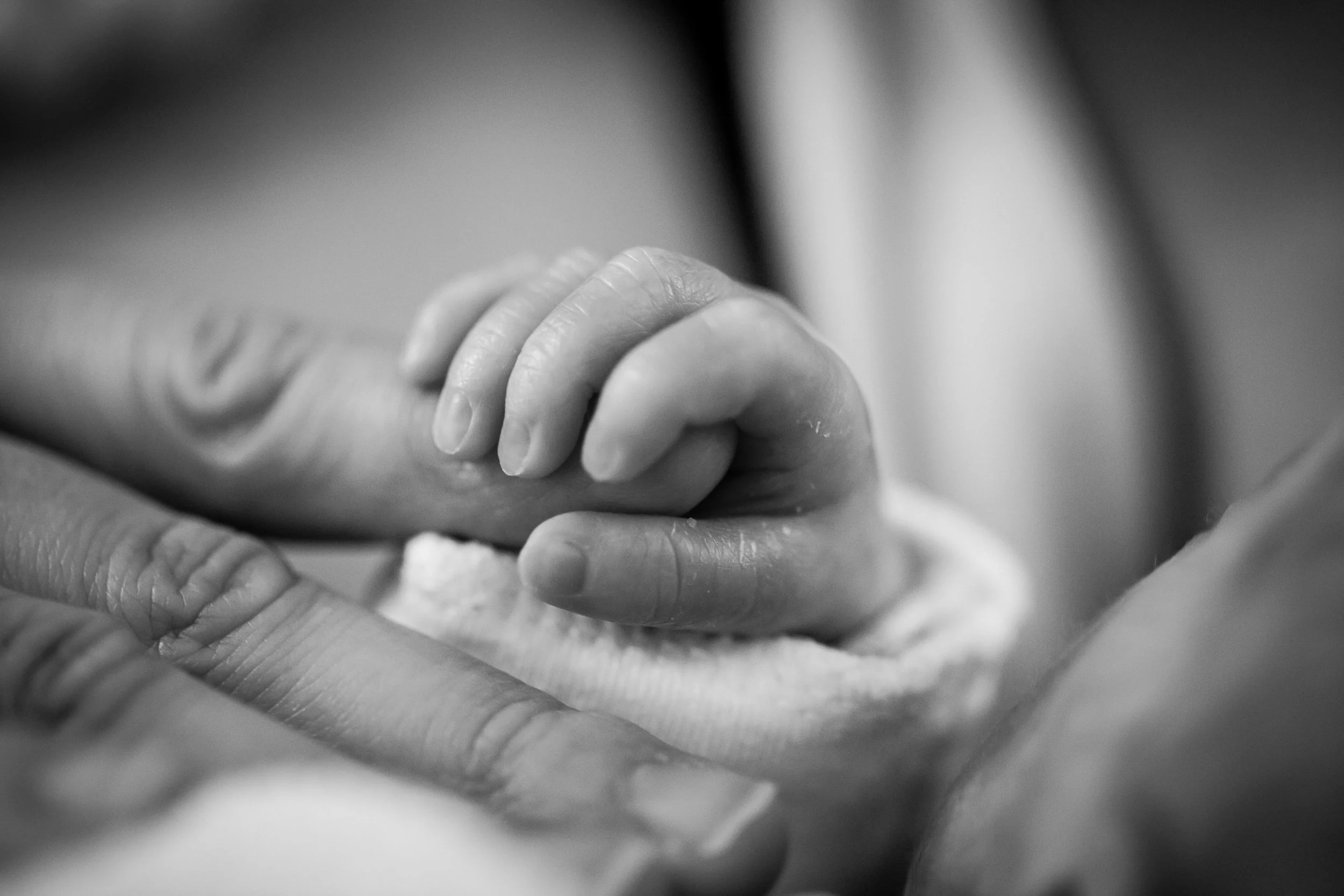
Neonatal reflexes are primitive, automatic neurological responses that develop in utero and play a vital role in survival and early development during infancy. These reflexes originate from the brainstem and are normally integrated into higher brain centres, such as the cortex, within the first year of life as conscious control and more advanced neurological functions emerge. When reflexes do not fully integrate, they are referred to as Retained Neonatal Reflexes (RNR). Retention of these reflexes may interfere with normal neurological development and can affect motor control, coordination, speech, and aspects of cognition and behaviour.
A range of factors, including birth trauma, environmental stressors, chemical or toxic exposure, and emotional stress, may increase the likelihood of reflexes being retained.
-
Chiropractic Neurology
A neurological focus from a chiropractic perspective that assesses the state of the nervous system and its integrity. Assessment of retained neonatal reflexes, muscle tone, neurological assessments, balance of the head, neck, spine, eye tracking/movements & of other nervous system responses to environmental stimuli.
Benefits may include: increased cognitive ability, better eye movement control, improved body spacial awareness & confidence, balance & improved muscle tone, regulation of the parasympathetic nervous system seen in regulation of heart rate and improved social communication.
-
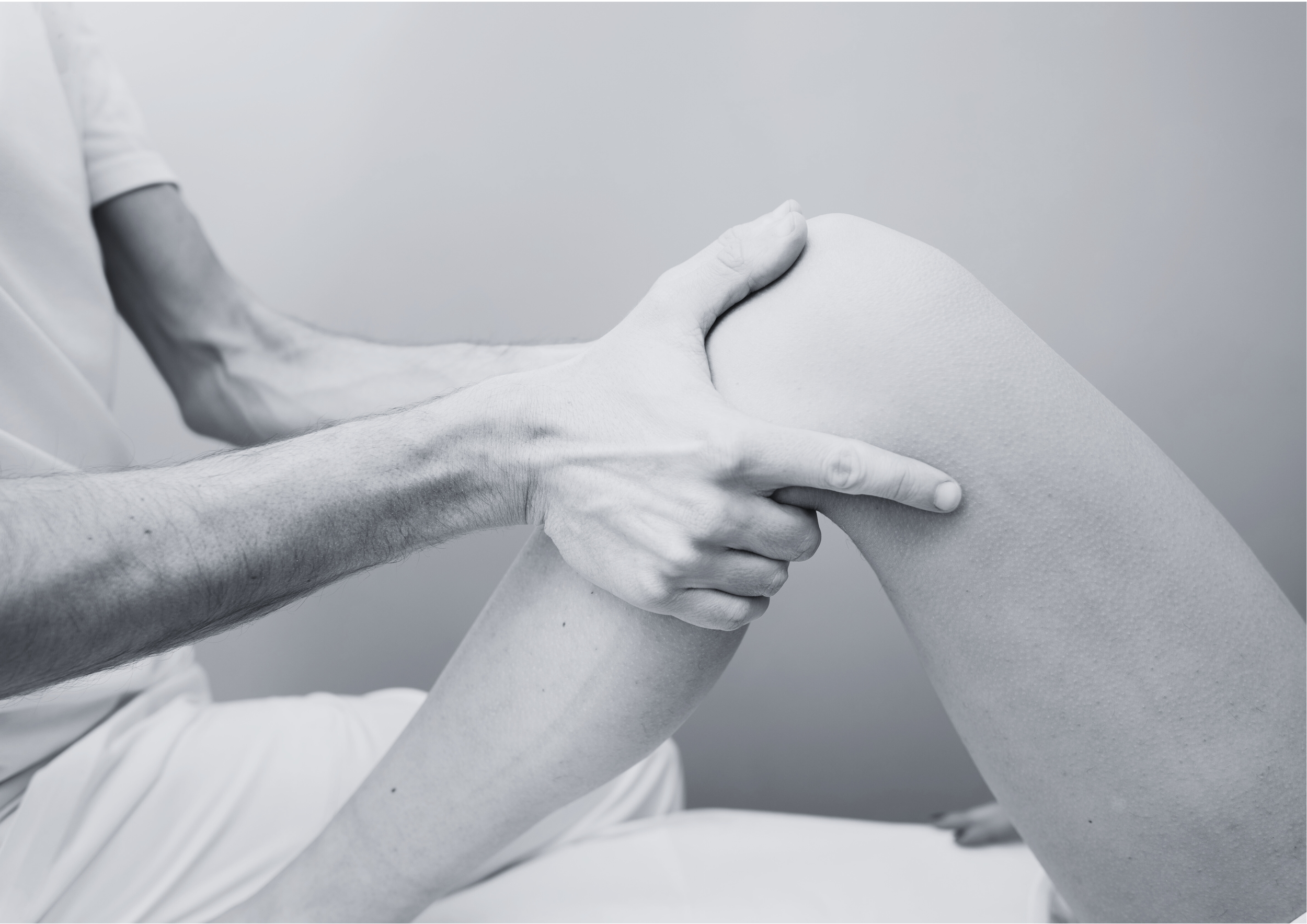
Sports Rehabilitation
Sports injuries and other forms of trauma can sometimes result in ongoing issues such as pain, reduced mobility, or challenges with balance and coordination.
Chiropractic care may assist in managing these effects by addressing joint and soft tissue function, helping to reduce inflammation and support the body’s natural healing processes.
Rehabilitation following injury or surgery focuses on restoring strength, mobility, and stability, which can promote a safe return to normal activity and lower the risk of re-injury. Various modalities to help enhance healing may include: ultrasound therapy, cold laser therapy, taping, acupuncture/dry needling and chiropractic adjustments.
-
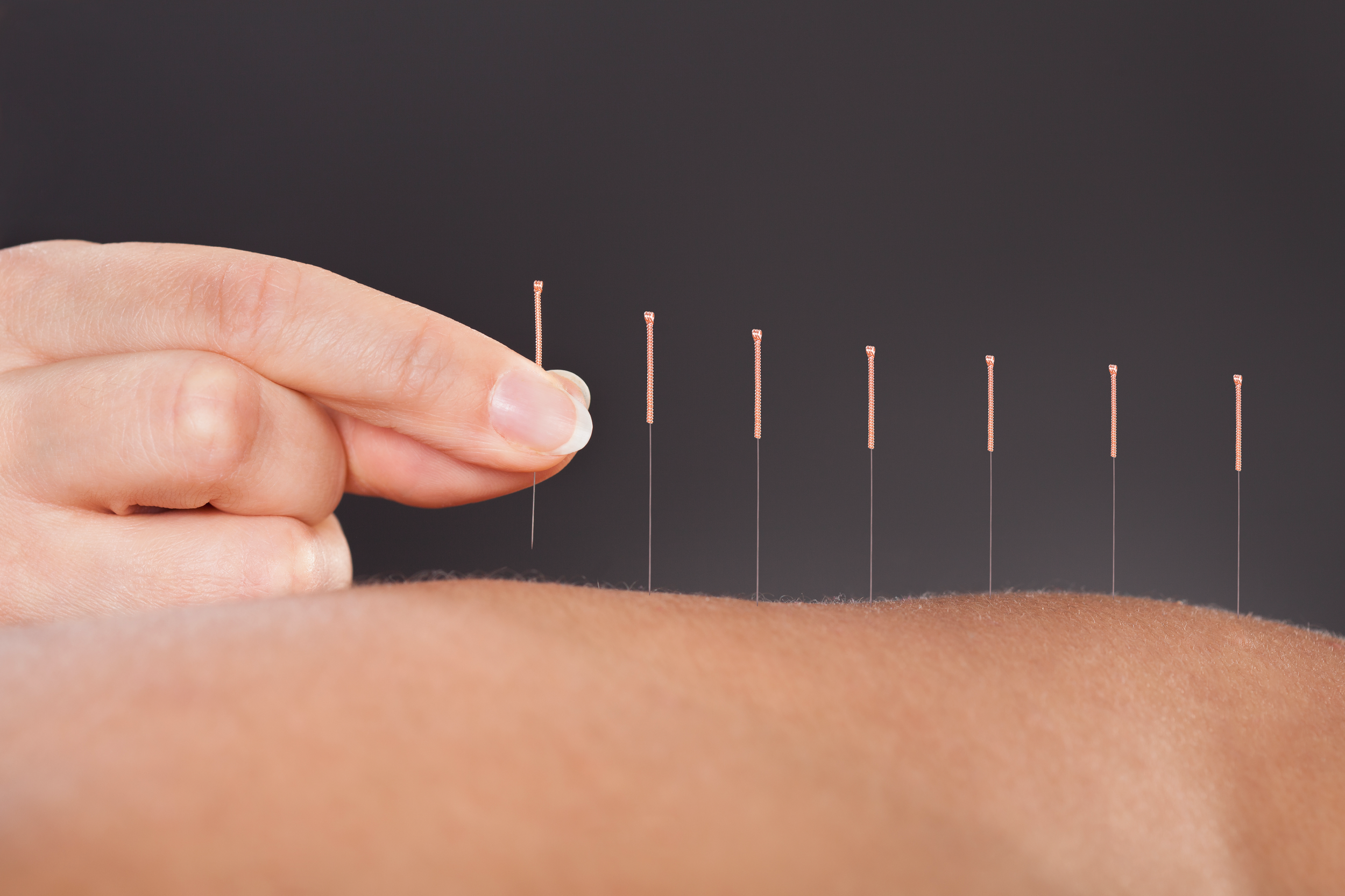
Acupuncture & Dry Needling
Acupuncture is a traditional Chinese medicine practice that takes a holistic approach to health by focusing on both the prevention and management of illness.
It is based on the principle of restoring balance and proper function within the body by supporting the natural flow of energy, known as Qi. In Chinese medicine, Qi is considered the vital life force that flows through pathways called meridians, which connect the body’s organs and systems. Along these meridians are hundreds of acupuncture points that may be stimulated through fine needles, massage, herbs, or laser therapy.
By targeting specific points, acupuncture aims to encourage the healthy circulation of Qi, supporting overall wellbeing and helping the body return to balance.